The proportion of attendees who felt very knowledgeable about apprenticeship assessment reforms rose from 13% to 66% during our recent Apprenticeship Provider Conference. With changes to apprenticeship delivery gathering pace, the findings highlight the scale of the challenge facing providers and the importance of understanding their options.
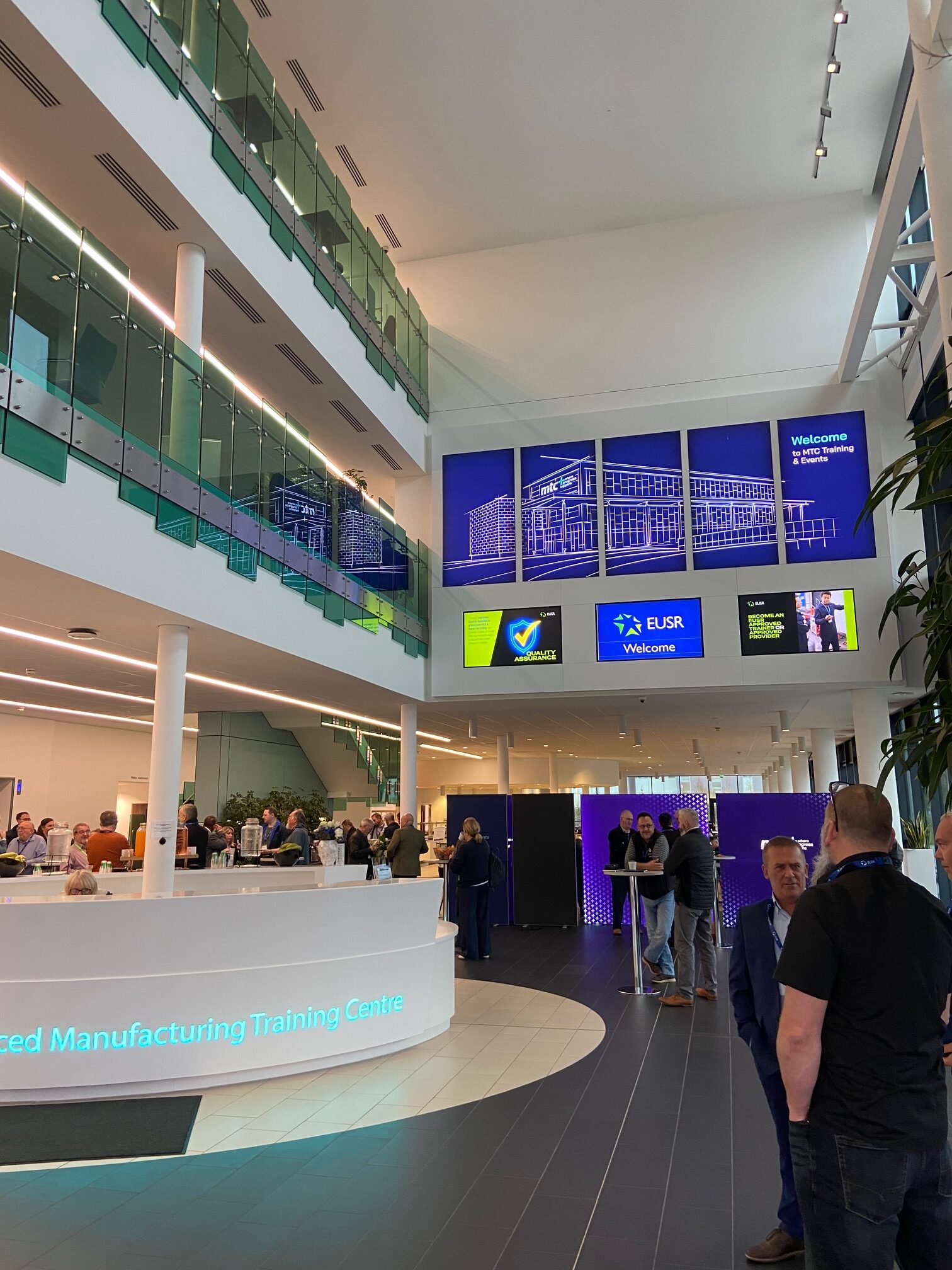
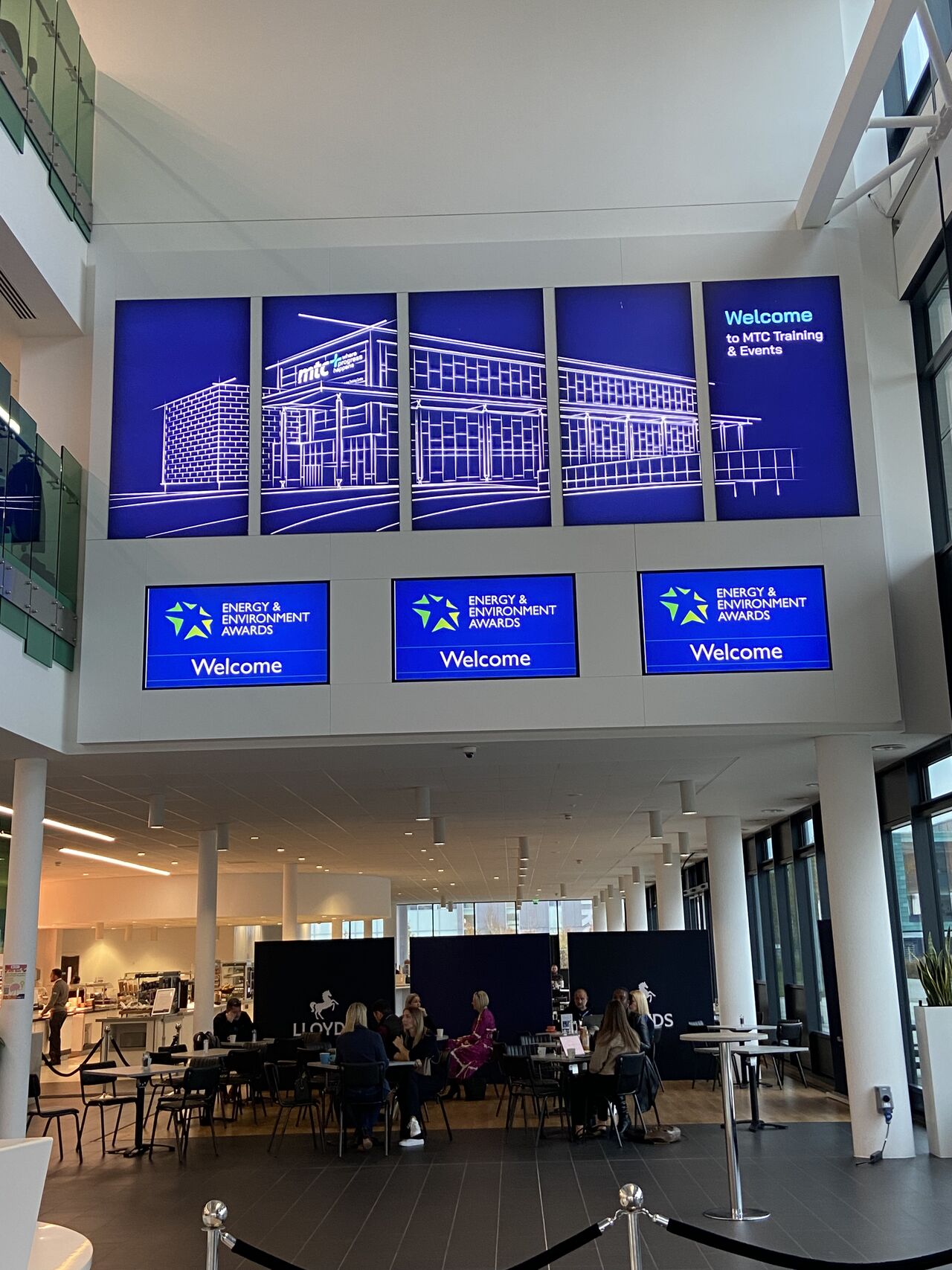
On 9 November, our second Apprenticeship Provider Conference brought providers together to tackle that uncertainty, explore the reforms and gain practical guidance on how to prepare.
Attracting Tomorrow’s Apprentices
Securing the next generation of skilled workers starts long before an apprenticeship application. Providers must find ways to reach young people earlier, challenge perceptions and make career opportunities more accessible.
Shona Taylor from UCAS explored the factors influencing young people’s career decisions, while Charlotte Hogben, Sales & Marketing Manager at HETA, demonstrated how targeted engagement can deliver measurable results.
HETA’s campaign encouraging more females into engineering resulted in a 200% increase in apprentice starts, highlighting what providers can achieve through focused outreach and stronger relationships with schools and parents.
Developing Assessments That Work for Providers
The transition from end-point assessment to Apprenticeship Assessment Qualifications (AAQs) presents significant decisions for providers. How will assessments fit into existing programmes? What changes will be needed? And how will providers maintain quality while adapting their delivery?
Our team outlined our approach to developing AAQs, using the Engineering Operative apprenticeship to demonstrate proposed assessment methods and grading criteria. The focus is on maintaining high standards while reducing unnecessary duplication and offering flexibility wherever possible.
Provider feedback remains essential to this process. Ongoing consultations offer an opportunity to influence how future assessments are developed.
Greater Flexibility, Greater Responsibility?
One of the biggest decisions facing providers is whether to take greater responsibility for assessing their own apprentices.
The conference explored both sides of independent assessment, including the potential to assess apprentices when they’re ready, improve coordination with employers and integrate assessment more effectively into existing programmes.
However, greater control also brings additional responsibilities. Providers must consider assessor competence, quality assurance, independence and whether they have the resources to deliver assessments effectively. Understanding these trade-offs will be essential to making informed decisions about future delivery models.
Preparing for What’s Next
With new assessment arrangements approaching, providers need to understand not only what’s changing, but what action they may need to take.
The final sessions explored the transition to new assessment plans, alongside the introduction of Apprenticeship Units. These shorter, focused training opportunities cover areas including solar PV installation, electric vehicle charging point installation and mechanical and electrical fitting.
From Uncertainty to Understanding
The conference demonstrated how practical guidance and open discussion can help providers build confidence in navigating the reforms.
By the end of the conference, no attendees described themselves as having limited knowledge of the reforms, compared with 33% at the start of the day. This shift highlights the value of providing practical guidance and opportunities for providers to ask questions, explore their options and prepare for the changes ahead.
David Love, Head of Apprenticeships, Engineering & Construction at Wigan & Leigh College, explained,
“One of the biggest challenges apprenticeship providers are facing right now is the reforms. It’s about understanding what’s coming down the line, the pace of change and what we need to put in place to respond. Events like this, organised by Energy & Environment Awards, really help us understand the changes and put all the pieces of the puzzle together.”
Rachel Thomas, Managing Director at Energy & Environment Awards, reinforced the importance of listening to providers:
“It’s really important that we speak to customers, meet them and listen to them, and also tell them how we want to deliver apprenticeships flexibly going forward to meet their needs.”
The shift in understanding highlights the value of bringing providers together to explore their options, ask questions and prepare for the changes ahead. We’ll continue working closely with them, providing guidance and developing flexible, high-quality solutions that respond to their needs.
Still unsure what the apprenticeship reforms mean for your organisation? We’re offering apprenticeship providers a free, face-to-face workshop to help you understand the changes, explore your assessment options and consider what they mean for your delivery model.